July 1, 2026
What Commercial Buildings Get Wrong About Cooling Season: Commercial Cooling System Maintenance
Your Cooling System Peaks in Summer. Is It Ready?
When temperatures hit the 90s and 100s across the Intermountain West, every piece of your building's cooling equipment runs at or near full capacity for weeks straight. Chillers, cooling towers, rooftop units, and condensers all take on the same load at the same time, and that's exactly when small issues turn into big ones fast.
This is the window Archer Mechanical builds its commercial cooling system maintenance summer service schedule around.
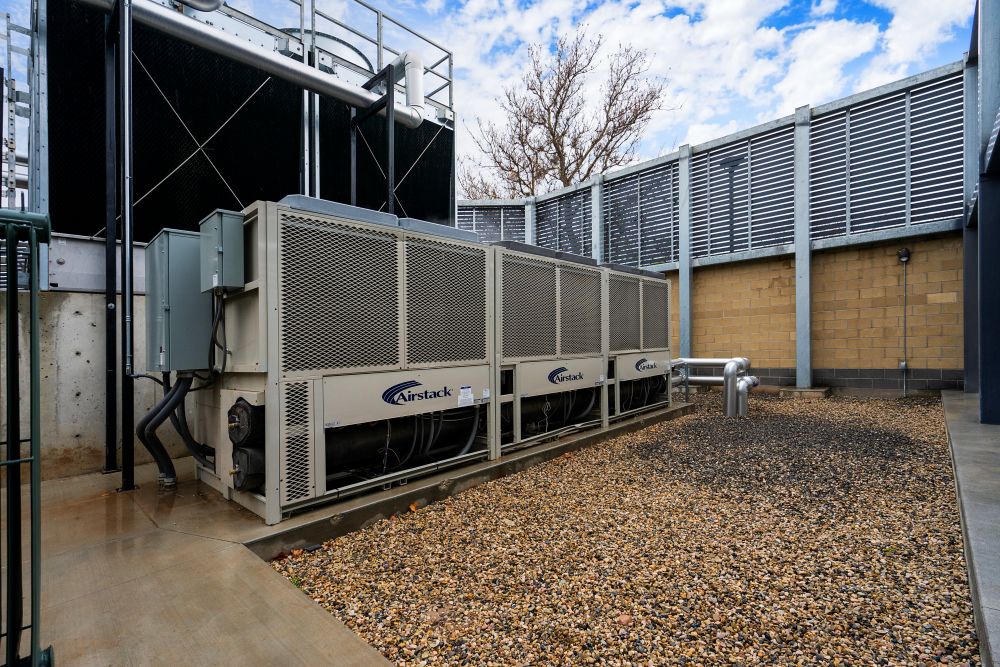
The Equipment Doing the Work
A commercial cooling system is rarely just one machine. Depending on your building, it might include:
Each one has its own failure points, but they all share the same seasonal stress. When one struggles, the rest of the system compensates, until it can't.
When it all works, no one notices. When it doesn't, everyone does.
Why Summer Is the Critical Window
Cooling equipment is engineered to work within certain limits. Long stretches of high heat, heavy cooling demand, and nonstop runtime push every component toward that edge. A system that's run quietly for years can start acting up mid-July, right when parts are hardest to source, and service teams are stretched thin.
This isn't a hypothetical. It's a pattern Archer sees play out every summer across commercial buildings in this region.
Warning Signs by Equipment Type
Most failures don't happen without warning. Catching these early is what turns an emergency call into a planned repair — on your schedule, not the equipment's.
Chillers
Cooling towers
Rooftop units and condensers
None of these are emergencies on day one.
Each one is a good reason to call Archer before July turns into August.
How Archer Keeps You Ahead of It
Planned service is manageable. It's scheduled around your building, staffed with technicians who already know your system, and priced without the rush charges that come with a breakdown.
For building owners with commercial leases, that reliability matters beyond comfort. Tenants expect consistent conditions, and repeated HVAC failures are exactly the kind of thing that surfaces in lease renewal conversations. Archer's preventive maintenance programs are built to protect the equipment and the obligations that depend on it, backed by a team that answers when you call.
What a Mid-Season Inspection Should Cover
A thorough cooling system inspection from Archer typically includes:
The goal isn't just finding problems. It's confirming there are none, and catching what's starting before it grows.
The System Behind the Machine
Chillers, cooling towers, RTUs, and AHUs don't operate alone. A problem in one can ripple through the rest, and a system that's inspected piece by piece can still miss the interactions between components.
That's why Archer looks at your entire cooling system, not just the equipment that's making noise.
We design, build, and service complete mechanical systems, so when we inspect your cooling equipment, we're evaluating everything it depends on too.
If you haven't had your cooling system inspected this season, schedule it with Archer now rather than waiting until the first breakdown.